The same heat and humidity that keeps your lawn growing fast also gives weeds every advantage.
If it feels like weeds pop up overnight during a St. Johns County summer, that’s not just in your head. Between June and September, Florida’s heat, humidity, and near-daily rain create close to perfect weed-growing conditions — and the same weather that stresses out your turf gives weeds every advantage they need to move in.
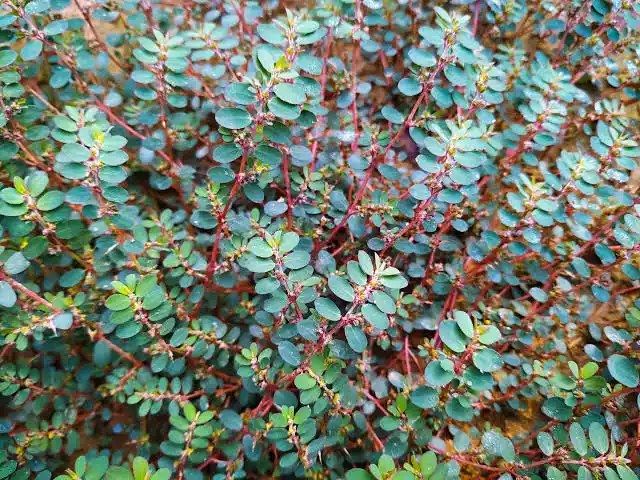
Most of the weeds that show up in Florida summers — spotted spurge, chamberbitter, crabgrass, and dollarweed among them — are warm-season plants that germinate and mature fastest in hot soil. Where a weed might take weeks to go from seed to flowering in cooler months, summer heat can compress that timeline dramatically. That means a few missed weeks of attention lets a handful of weeds turn into a full patch before you know it.
Pre-emergent herbicides work by forming a barrier in the soil that stops weed seeds from germinating — but that barrier has a limited lifespan, and Florida’s summer thunderstorms break it down faster than drier months would. Heavy, frequent rain can dilute or wash away pre-emergent treatments well before their normal window ends, leaving gaps in coverage right when weed pressure is highest.
A thick, healthy lawn is one of the best natural defenses against weeds — it simply doesn’t leave open soil for weed seeds to take hold. But summer heat, drought stress, and even scalping from mowing too short all thin out turf right when weeds are germinating fastest. Every bare or thinning patch is an opening, and Florida summer weeds are quick to fill it.
Cooler regions get a natural break from weed pressure once temperatures drop for the season. Florida’s long, humid summers don’t offer that same reset — warm-season weeds keep germinating in waves for months rather than one short burst, so a single treatment early in the summer often isn’t enough to carry through to fall.